
author & creator
Symmetry Novels
Symmetry Novels
  • © 2026 Daniel Wilton, All Rights Reserved 0

Symmetry Novels

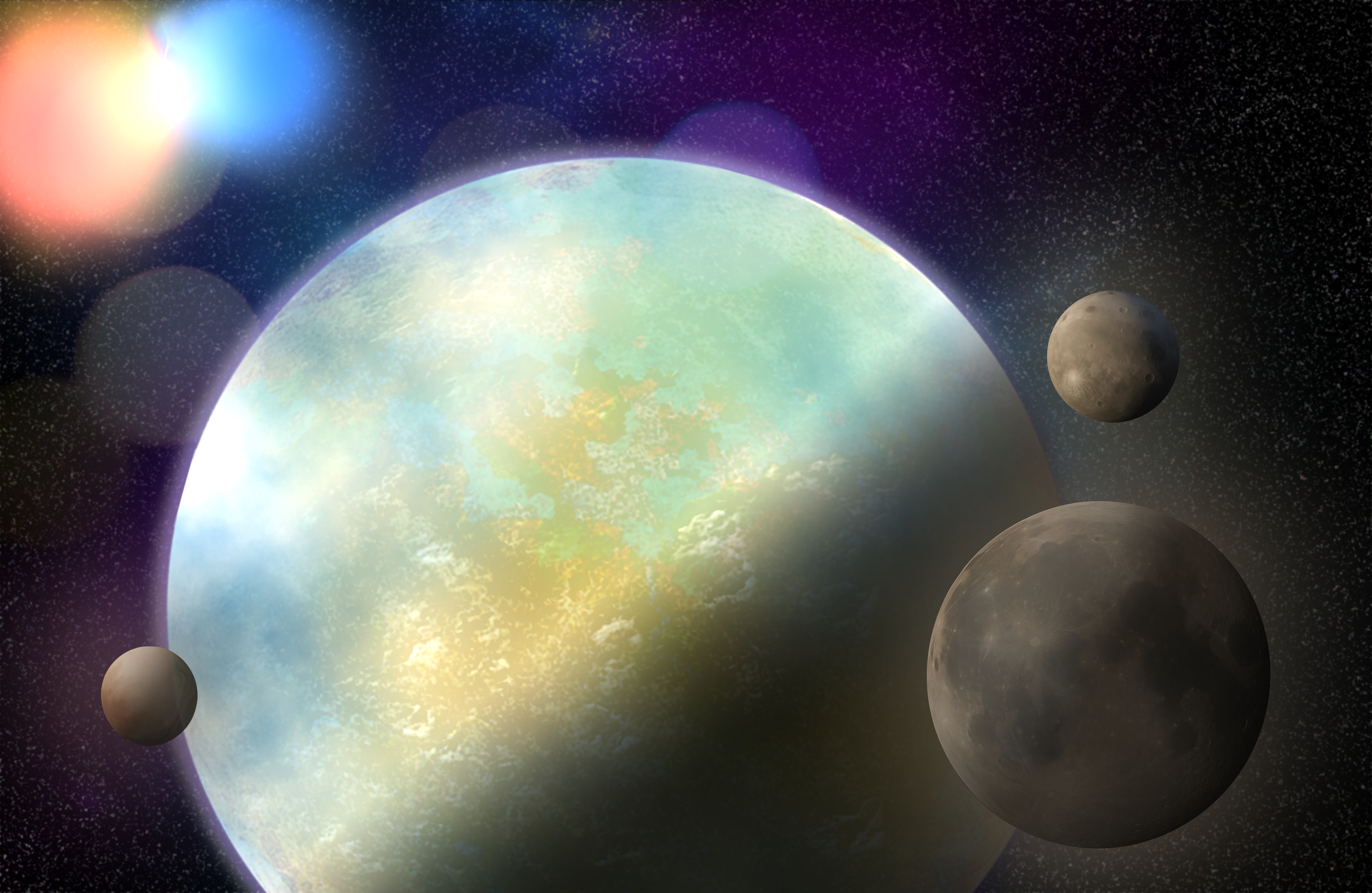
  • Anderia with its two suns and three moons

    Anderia with its two suns and three moons

To view concept art, click any thumbnail image, then click the arrows to view the next.

To view concept art, touch any thumbnail image, then swipe to view the next.
OVERVIEW
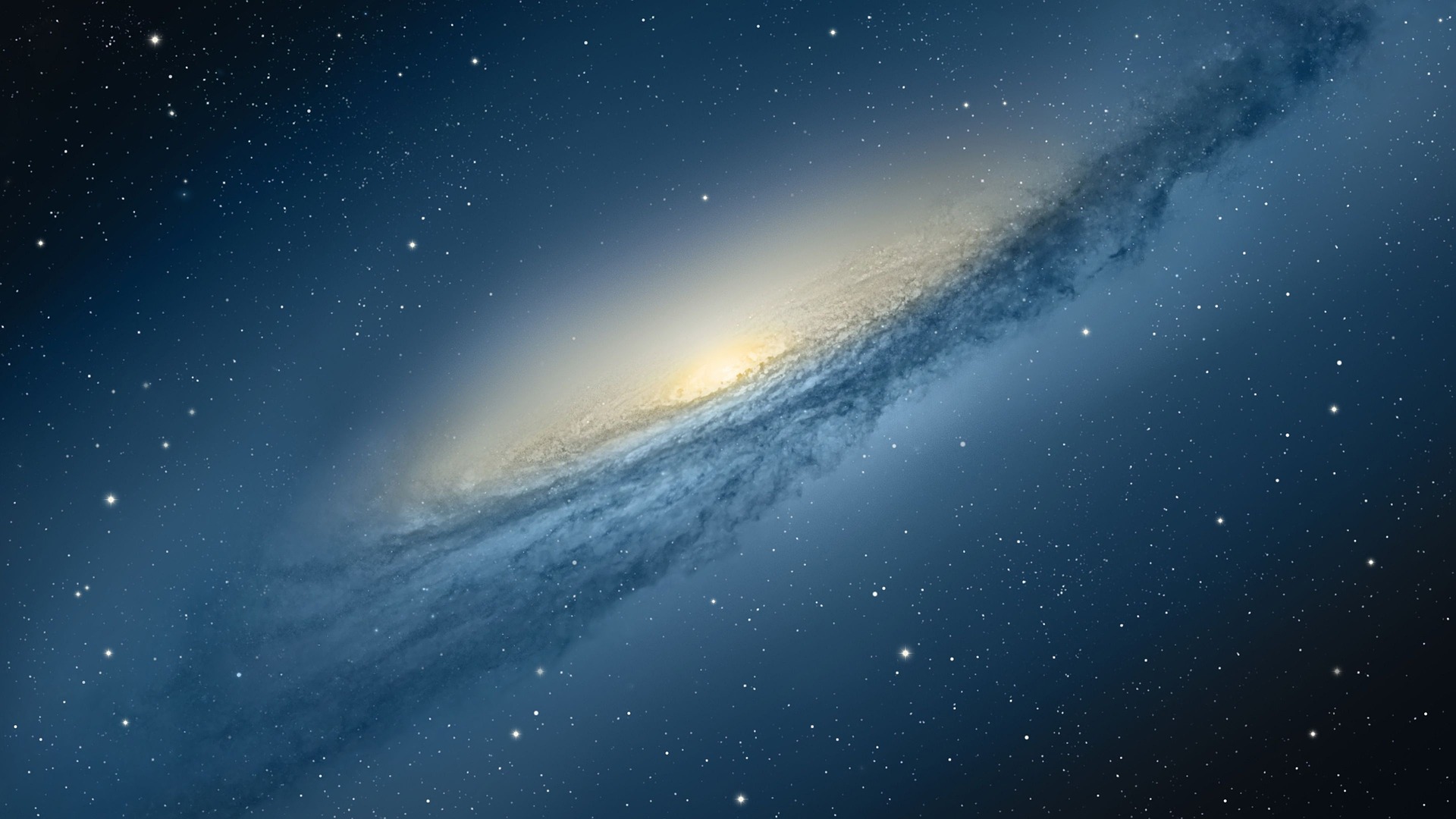
The Moxveniam system is a heliocentric binary star system situated in the Perseus spiral arm of the Milky Way galaxy, near the Orion-Cygnus arm, approximately 12,000 light-years from Earth (about 67 quadrillion milledia).

Twelve planets orbit its paired suns in stable elliptical paths. Anderia, the sixth planet from the binary center, is the only inhabited world within a six-hundred-light-year radius and represents the sole known instance of sentient life in this region of the galaxy.

  • Astronomical Designation: MXV-6 (Moxveniam System, Planet 6)
  • Indigenous Name: Anderia
  • Classification: Terrestrial world with a stable biosphere
  • Status: Inhabited by extant humanoid species known as hugenics
Though sharing humanoid characteristics, Anderians are neither ancestors nor descendants of Earth’s species and have no known history of interplanetary contact.
BINARY SUNS
The Moxveniam system comprises two gravitationally bound stars orbiting a shared barycenter. Their complementary spectra create Anderia's distinctive lighting conditions and extended day-night cycles.

  • Reditus

    Reditus

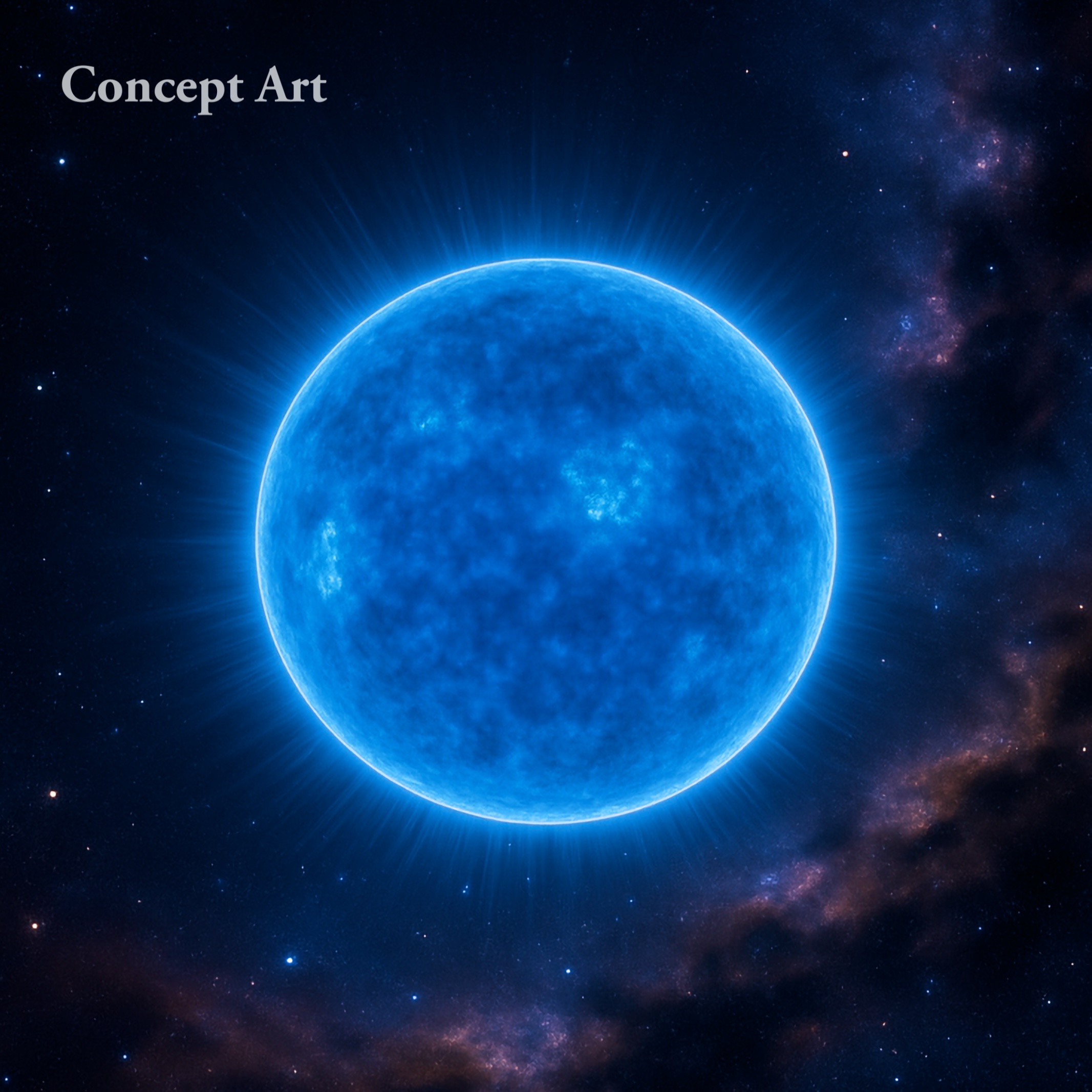
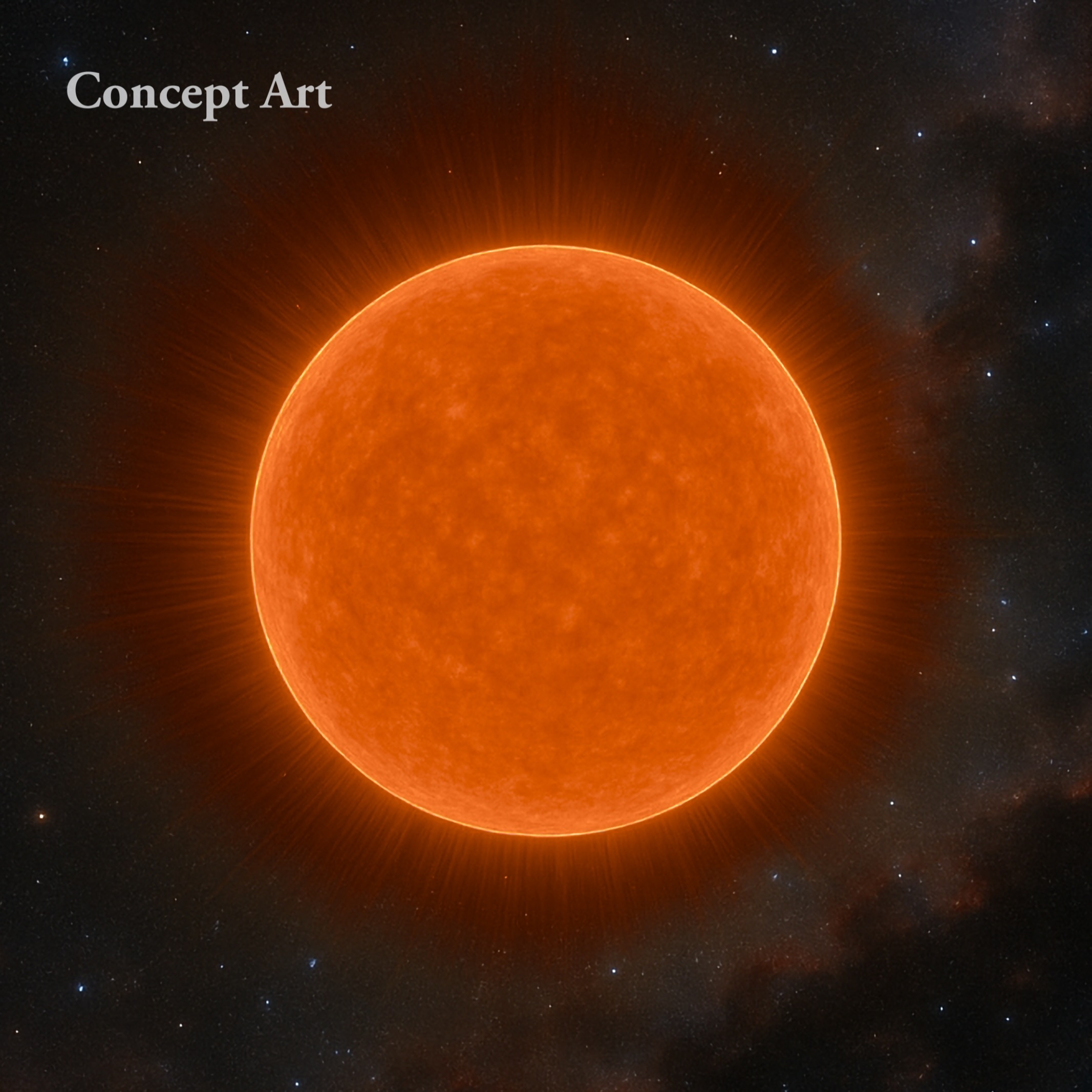
Reditus (Primary Star)
  • Pronunciation: REH-dih-tuhs
  • Etymology: Ancient Anderian, literal meaning "the return"
  • Spectral Class: K-type main sequence star (orange dwarf)
  • Color: Burnt-ember orange glow
  • Size: Larger and cooler of the binary suns
  • Eustitia

    Eustitia

Eustitia (Secondary Star)
  • Pronunciation: you-STIH-shuh
  • Etymology: Derived from ancient Anderian iustitia, meaning "justice"
  • Spectral Class: B-type main sequence star (blue dwarf)
  • Color: Hot sapphire-blue hue
  • Size: Smaller and hotter tof the binary suns
Orbital Dynamics and Temporal Characteristics
  • Rise Cycle: Sequential rising of both suns creates a distinctive double-dawn visible from most latitudes
  • Day Length: Approximately twenty-eight Earth hours per Anderian rise
  • Year Length: 360 rises for one complete revolution (rev), approximately 425 Earth days
  • Seasonal Stability: Axial tilt of 23.4 degrees, combined with binary illumination, results in gradual and extended seasonal transitions
  • Illumination Patterns: Combined stellar output provides more consistent planetary illumination than single-star systems, reducing extreme seasonal variation
PLANET ANDERIA
Physical
  • Diameter: Approximately 6,400 milledia (about 6,700 kilometers)
  • Mass: Roughly 50 percent of Earth's mass
  • Gravity: Approximately 0.85 Earth standard
  • Surface Area: About 140 million square milledia
  • Size: Larger and cooler of the binary suns
Composition
  • Land-to-Sea Ratio: Comparable to Earth, roughly 30 percent land and 70 percent water
  • Atmosphere: Nitrogen–oxygen composition breathable to hugenics, with slightly elevated oxygen content at approximately 23 percent
  • Magnetic Field: Moderate magnetosphere providing protection from stellar radiation
  • Tectonic Activity: Active plate tectonics producing diverse topography
Biosphere
  • Rich biodiversity across multiple climate zones; severely reduced by the Genic Murrain
  • Flora and fauna adapted to extended twenty-eight-hour day–night cycles
The Scarred Mesosphere
  • Extends approximately 60 milledia (63 kilometers) above the surface
  • Situated between the stratosphere and the thermosphere
  • Permanently damaged during the Bion Wars
  • Produces distinctive atmospheric refraction effects
  • Partially obscures optical visibility and blurs the boundary between land and space
  • Interferes with electronic tracking and long-range communication systems
ANDERIA’S THREE MOONS
Three natural satellites orbit Anderia in stable, concentric paths, creating complex tidal and gravitational interactions.

  • Magna

    Magna

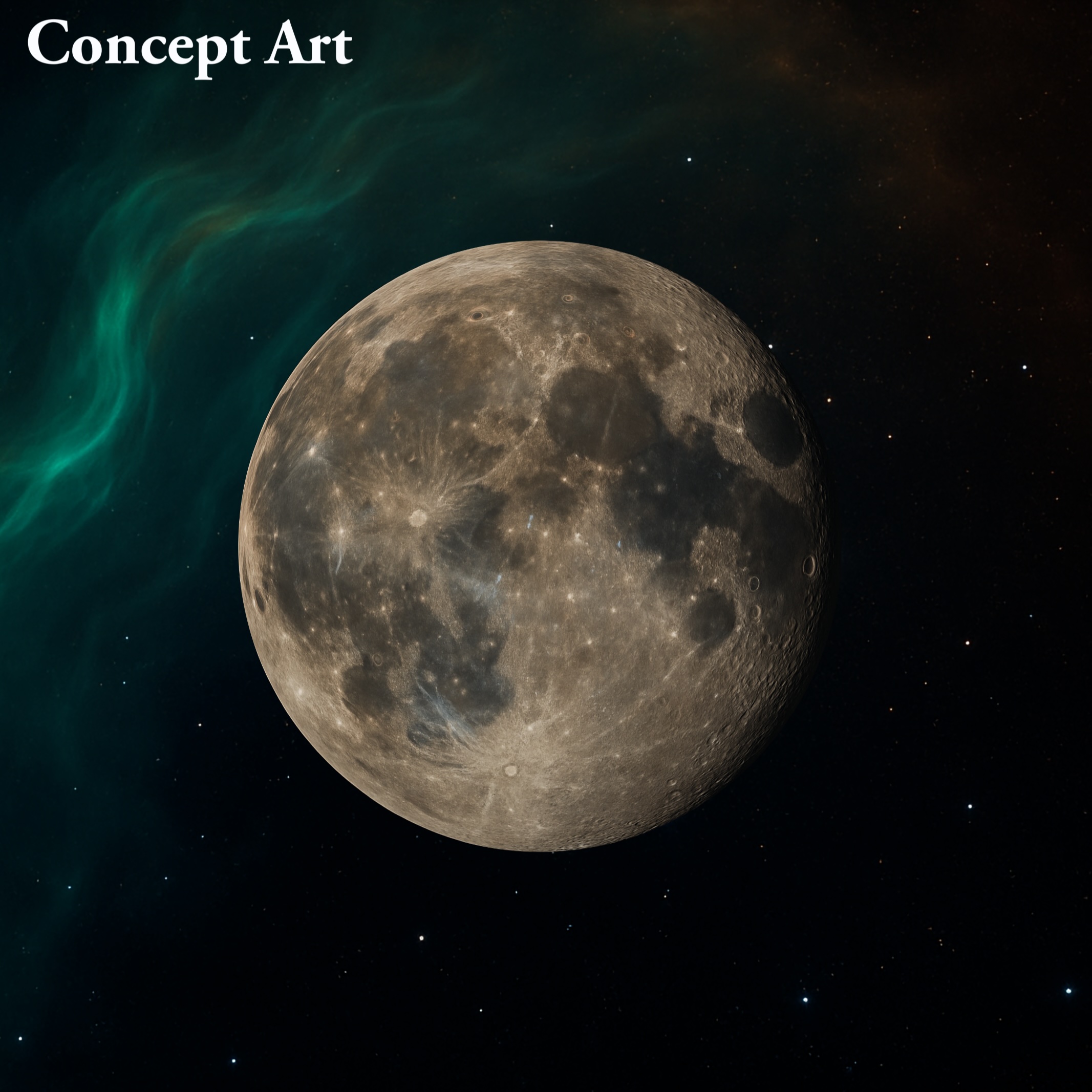
Magna (First Moon)
  • Pronunciation: MAG-nah
  • Etymology: Literal meaning "large"
  • Size: Approximately 1,100 milledia diameter
  • Orbital Period: About 22 Anderian rises
  • Appearance: Gray-white surface with prominent crater fields
  • Tidal Influence Primary driver of oceanic tides
  • Parvus

    Parvus

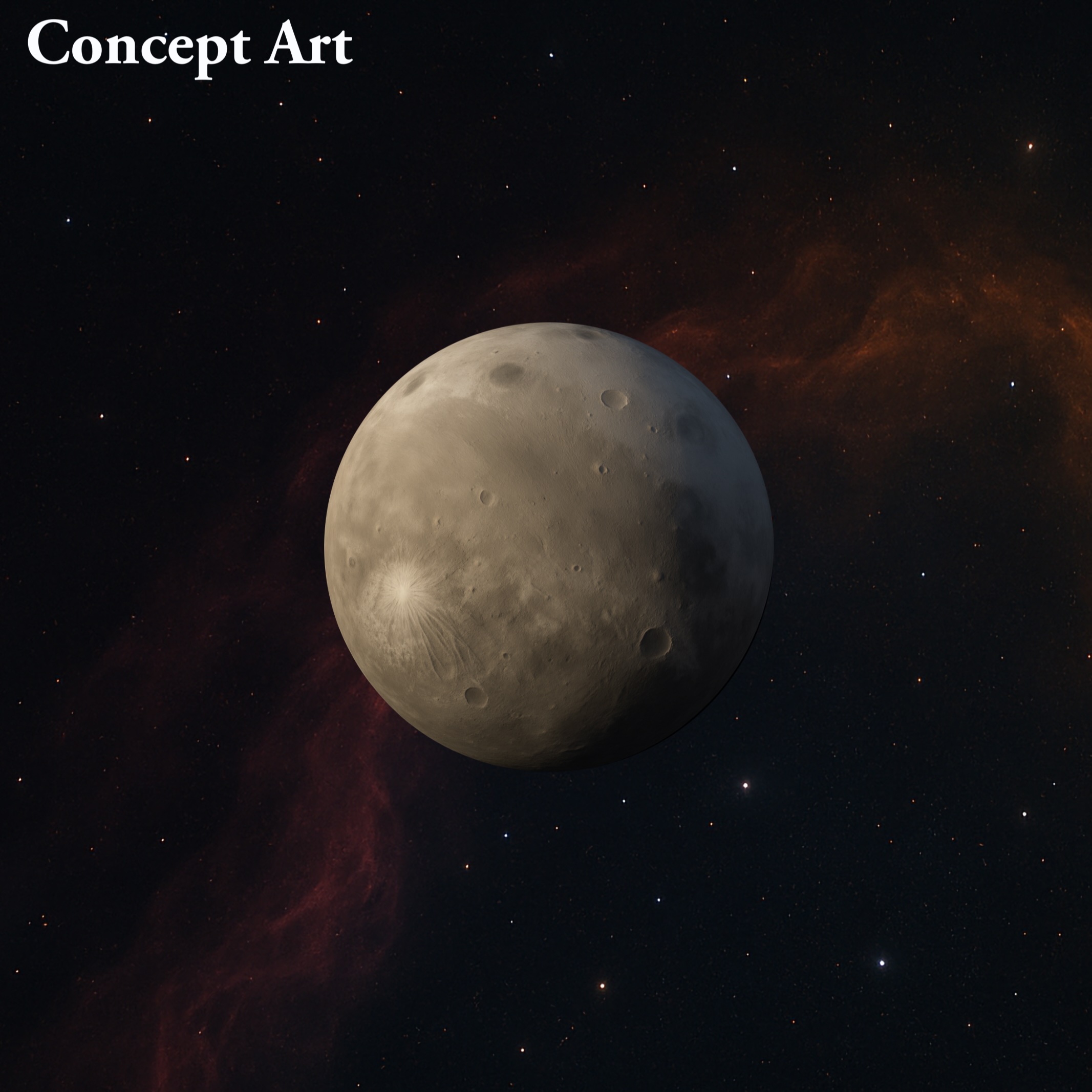
Parvis (Second Moon)
  • Pronunciation: PAR-voos
  • Etymology: Literal meaning "minor" or "lesser"
  • Size: Approximately 750 milledia diameter
  • Orbital Period: About 14 Anderian rises
  • Appearance: Pale beige surface
  • Tidal Influence: Secondary tidal influencer
  • Minima

    Minima

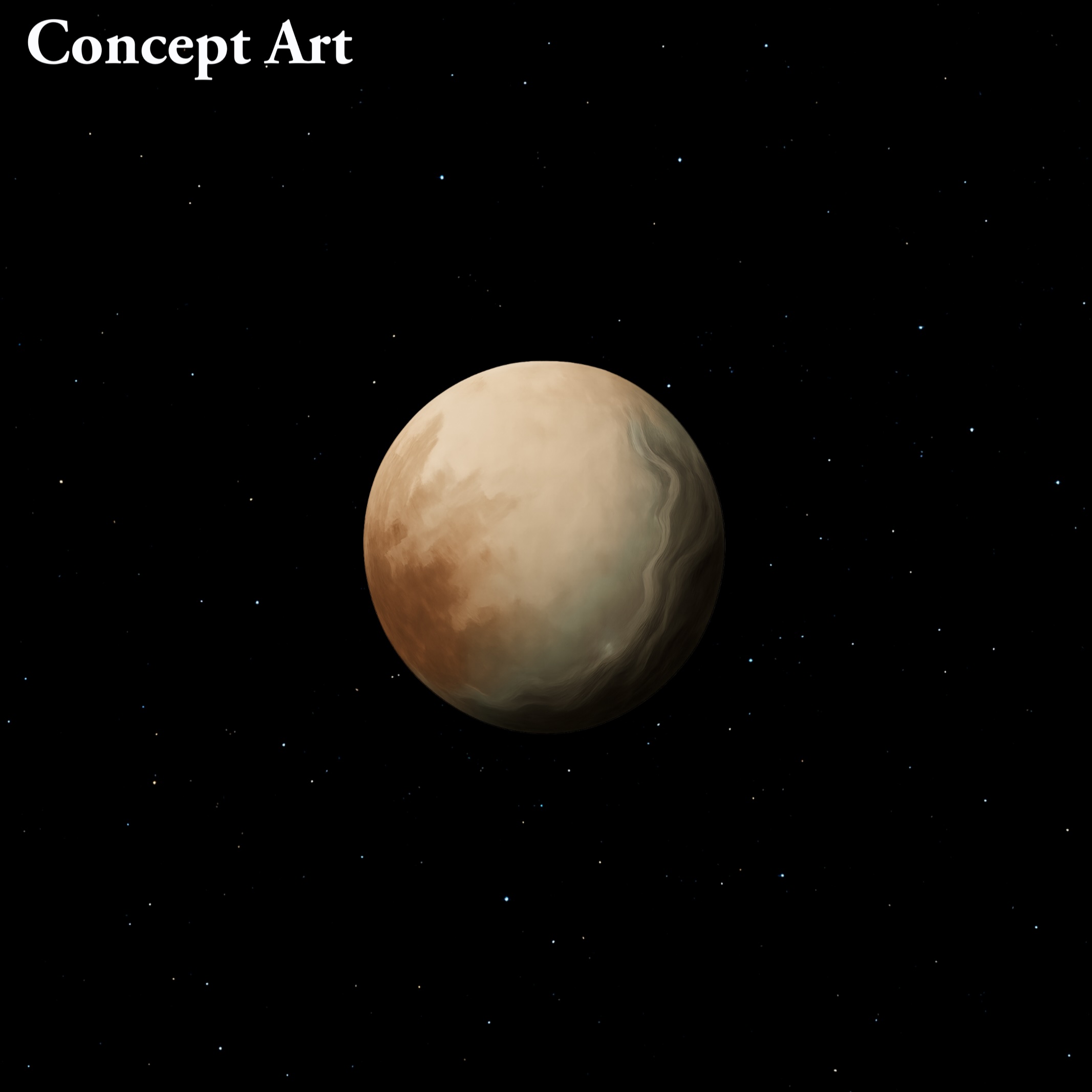
Minima (Third Moon)
  • Pronunciation: MIN-ih-mah
  • Etymology: Literal meaning "smallest"
  • Size: Approximately 400 milledia diameter
  • Orbital Period: About 8 Anderian rises
  • Appearance: Slight reddish hue with high albedo
  • Tidal Influence: Minor in isolation, but creates complex tidal harmonics during multi-moon alignments
LUNAR PHENOMENA
Rare alignments of Anderia’s three moons have acquired profound theological and prophetic significance across Anderian cultures. Both orbital Con-Serv populations and surface communities maintain traditions surrounding these events, though interpretations vary.

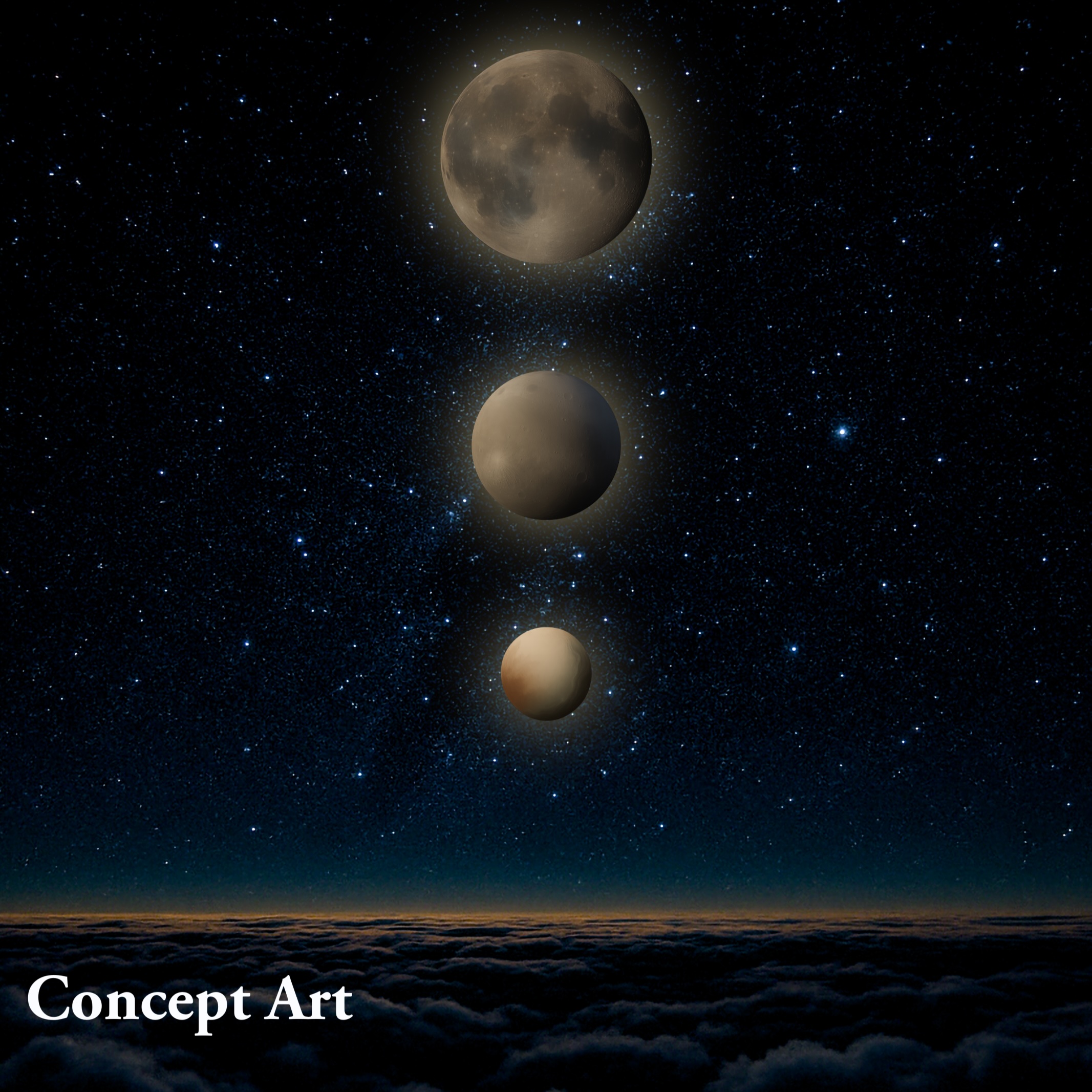
  • TrienLuna

    TrienLuna

TrienLuna (Three Full Moons)
  • Description: All three moons appear full and aligned vertically in the sky when Anderia reaches optimal orbital apex, and lunar positions synchronize
  • Frequency: Approximately every 60 revs, about 69.6 Earth years
  • Last documented appearance: Rev PC.636
  • Next expected appearance: Rev PC.696
  • Tradition: Believed to herald a positive turn of events
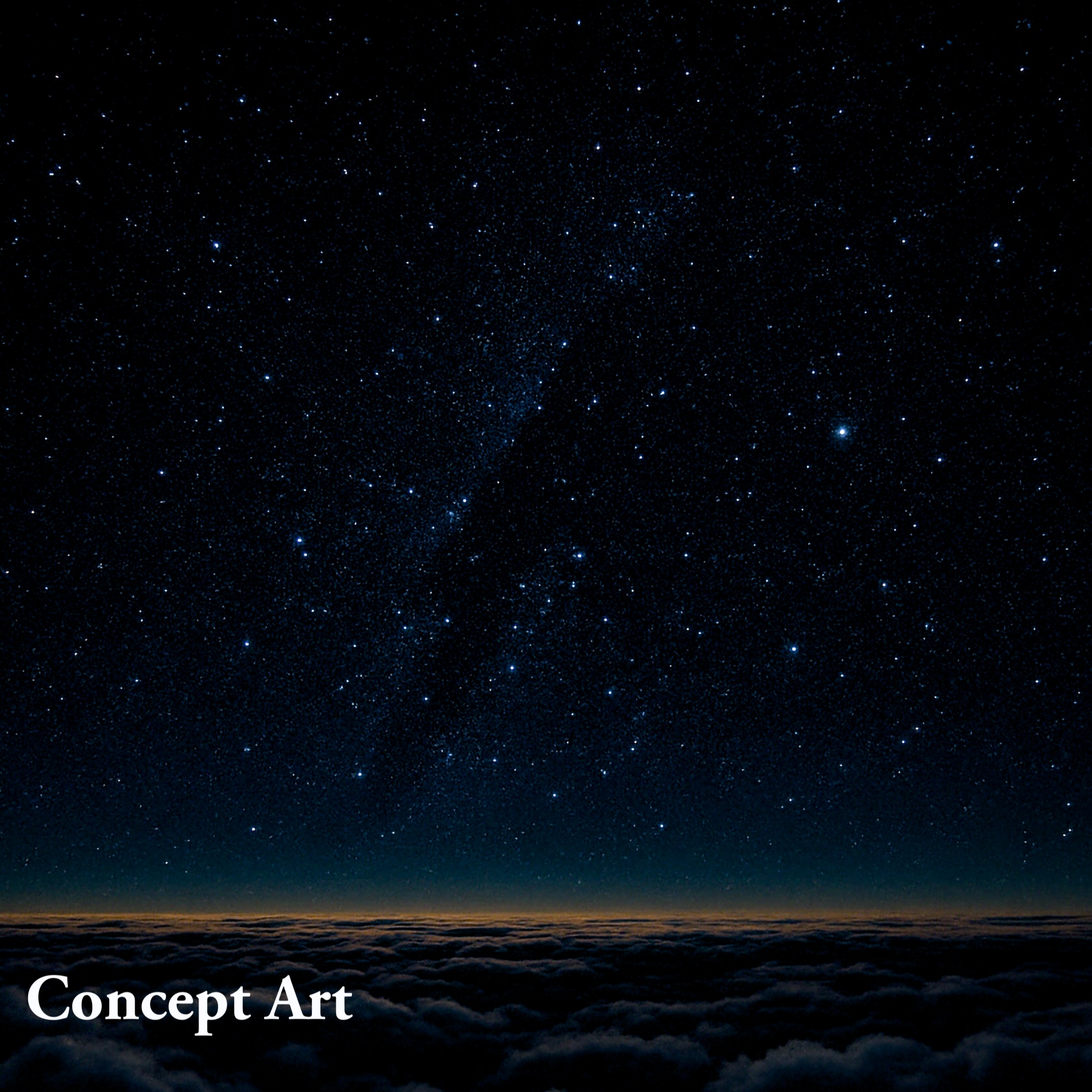
  • BlackLuna

    BlackLuna

BlackLuna (Moonless Night)
  • Description: Complete absence of all three moons in the sky when all are simultaneously in a new phase and positioned on the other side of the planet relative to the observer
  • Frequency: Approximately every 180 revs, following the third successive TrienLuna, about 208.8 Earth years
  • Last documented appearance: Rev PC.516
  • Next expected appearance: Rev PC.696
  • Tradition: Feared as a harbinger of darkness
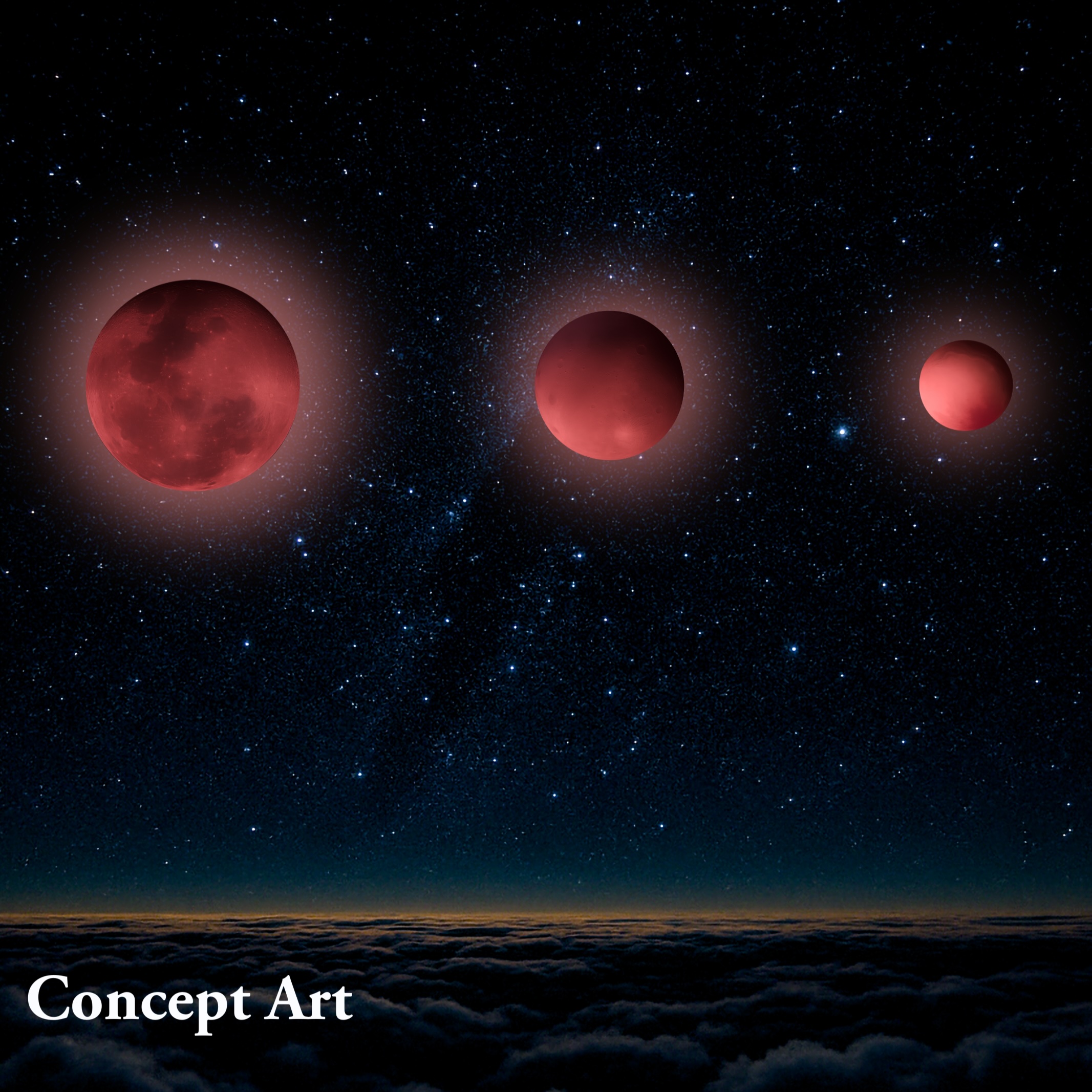
  • BloodLuna

    BloodLuna

BloodLuna (Three Blood Moons)
  • Description: All three moons appear simultaneously with deep crimson coloration, positioned equidistant in the sky
  • Frequency: Extremely rare; estimated once every 600 to 1,200 revs, roughly 696 to 1,392 Earth years
  • Last documented appearance: Rev PC.0, prior to calendar reset after the Genic Murrain
  • Next expected appearance: Unknown
  • Tradition: Believed to foretell the end of an epoch